







Invasive species

While some species demand nurturing, others must be strictly controlled. Early identification and mapping enable developers to understand exactly what they’re working with, while containment plans and monitoring ensure ongoing risk reduction.

TRUSTED BY LEADING NAMES
REDUCING DEVELOPMENT RISKS

Not all species benefit a habitat. Many plants and animals require strict intervention to prevent biodiversity risks, structural damage, and planning delays.

Developers are no stranger to invasive species. Plants like Japanese knotweed and giant hogweed, for example, have long featured as red flags to look out for at the planning stage. What’s often overlooked, however, is exactly how many different plants and animals are actually classed as invasive, and exactly what’s required by law to limit the risk – not only for local biodiversity, but from a commercial and safety standpoint too. Schedule 9 of the Wildlife and Countryside Act 1981 and the Invasive Alien Species Order 2019 work side by side to enforce different levels of restriction, ensuring invasive non-native species (INNS) and select native animals don’t grow, spread, or reproduce without control and mitigation.

Naturally, this multifaceted issue comes with very high stakes. Our ecologists work with you to identify, report, and map populations that require specialist intervention. Then, from proposing and implementing targeted treatment methods to supporting ongoing monitoring and management, we ensure your programme remains compliant while reducing lifetime risks.

COMPREHENSIVE SUPPORT

Using ecological intelligence to make confident consequential decisions

Invasive plants pose severe operational, financial, and legal risks to commercial developments. Some feature aggressive root systems that undermine structural integrity, while others release toxic substances that introduce a major liability risk for site workers. Invasive animals can be similarly imposing – burrowing deep into foundations, clogging critical drainage infrastructure, and decimating native protected species populations.

Here's where our Ecologists step in:

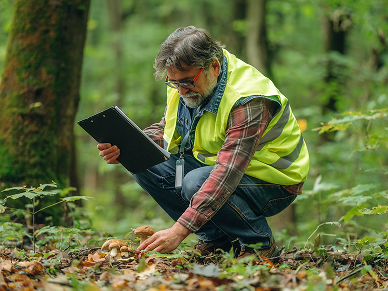
  • Identify, evaluate, and assess risk. We conduct field surveys and use GIS mapping to locate invasive species, then assess their impact on biodiversity and the wider development.

  • Create a management plan. We write detailed method statements, outlining the safest and most effective containment protocols for all invasive species identified.

  • Implement biosecurity. Vehicle and personnel restrictions, alongside rigorous waste transfer notes, prevent the spread of INNS across land and water bodies.

  • Restore and re-treat. After removing invaders, we guide habitat restoration to rebuild local ecosystems, and schedule follow-up visits for multi-season treatments.

  • Monitor and manage. We track long-term recovery results to ensure INNS are truly controlled, with technical data used to evidence ongoing compliance.

- Lorem ipsum

Understanding which species you’re dealing with

Developers are directly responsible for identifying INNS and managing any risks associated with their project. Our ecologists bring rich experience to shape this understanding from the outset, including making sure INNS mitigation strategies don’t risk harming any positive native species that are already present.

Terrestrial vertebrates

This category covers invasive mammals, birds, reptiles, and amphibians such as grey squirrels, American mink, and non-native terrapins – all of which outcompete or predate native wildlife once established. Legal restrictions govern the keeping, selling, releasing, and transporting of certain species, with controls specifically designed to prevent their establishment and further spread across the wider environment.

Terrestrial invertebrates

Invasive insects, molluscs, and other land-based invertebrates include species such as the harlequin ladybird, oak processionary moth, and Spanish slug. They can damage ecosystems, agriculture, forestry, and infrastructure once they take hold, while their small size makes accidental transfer through soil, vegetation, machinery, and materials a significant biosecurity risk.

Terrestrial plants

Plants are among the most commonly identified INNS categories, including Japanese knotweed, Himalayan balsam, giant hogweed, and several species of cotoneaster. They can outcompete native flora, damage infrastructure and, in the case of giant hogweed, pose risks to human health. Restrictions on introducing or causing certain species to spread make careful oversight essential during construction and land management.

Freshwater animals

This category includes invasive fish, crayfish, and aquatic invertebrates, such as signal crayfish, killer and demon shrimp, quagga mussel, and topmouth gudgeon – known to predate native species, compete for resources, spread disease, and alter freshwater habitats. Strict biosecurity around watercourses, ponds, and wetlands is critical where equipment, machinery, or materials could transfer species between catchments.

Freshwater plants

Invasive aquatic plants and algae include floating pennywort, New Zealand pigmyweed, parrot’s-feather and water fern. Some can rapidly dominate waterbodies, restrict drainage and recreation, reduce native biodiversity, and alter aquatic habitats. Their ability to spread through tiny fragments means stringent controls are particularly important during dredging, watercourse works, and machinery movements.

Marine species

Certain marine species introduced into UK coastal waters – such as Pacific oysters, carpet sea squirt, wireweed, and Chinese mitten crab – are classed as invasive because they can displace native species and disrupt fragile ecosystems. Biosecurity is particularly important around ports, marinas, dredging, and coastal construction, where vessels, equipment, and transferred materials can move INNS between locations and facilitate their establishment.

When controlling invasive species, developers must be careful not to create new ecological risks.

Construction and land management activities can create a double jeopardy: controlling invasive species may inadvertently disturb protected native wildlife or habitats. Clearing a ditch to remove invasive crayfish, for example, could accidentally disturb a population of otters or water voles, disrupting feeding, breeding, and resting. That’s why ecological intelligence cannot be overlooked. Beyond legal compliance, it takes a specialist eye to tell an invasive threat from a protected species sharing the same habitat, sequence works to avoid conflict between the two, and ensure control methods don't trade one ecological harm for another.

what our clients say about us
  • “As part of the Stroud Sewage Strategy, the Wildwood Ecology team played a critical role in delivering a complex scheme with multiple ecological considerations. Ivi and the team were willing to go above and beyond to accommodate the needs of the project by providing expert advice, regular site visits, and liaising with third parties and regulators. Wildwood Ecology’s flexibility, professionalism, and care for the client greatly contributed to the success of the scheme.”

    Bernadette Anderson

    environmental advisor

No two invasive species call for the exact same approach to containment
Even if a site presents INNS features identical to another development, several different factors shape which methods should be used to reduce their risk. Working to BS 42020 and Chartered Institute of Ecology and Environmental Management (CIEEM) guidelines, our ecologists combine on-the-ground insight with technical evidence to approach each programme individually. That means building treatment and biosecurity plans around the site's real context, sequencing works to licences and breeding seasons, and recording each decision as it's made to demonstrate defensible compliance long after completion.

Find anything

Explore the latest industry updates on ecology and environmental practice, access specialist advice and guidance, and download scientific research studies on the Terrnea hub.

See the latest

News and insights

Our library provides a wide range of reading material for your leisure – including the latest Terrnea news, educational insights to shape your development strategies, and proven results across national client projects.

Our services

Our support spans well beyond the scope of project planning and compliance. Discover how we mitigate development risks and unearth opportunities across a full range of ecological and environmental services.

Ecology and Biodiversity

Our ecologists work across the life of a project, from early site assessment and planning through construction to longer-term management and monitoring.

Explore service

Geo-environmental and Geotechnical

Our geo-environmental and geotechnical teams investigate ground, water and site conditions to understand the constraints that could affect development, construction and land use.

Explore service

Environmental Planning and Assessment

Our environmental planning and assessment teams work with developers, planning and design teams, landowners and public bodies to understand the environmental considerations associated with a site or proposed development.

Explore service

Pollution, Prevention and Control

Our environmental specialists assess pollution risks associated with development, construction and industrial operations. We investigate existing site conditions, assess potential effects on the surrounding environment and advise on measures to prevent or manage pollution.

Explore service

STILL HAVE QUESTIONS? GET IN TOUCH

Lorem ipsum dolor sit amet, consectetur adipiscing elit.

  • Biosecurity means taking measures to prevent invasive species from being introduced or spread between different locations – particularly important when you’re dealing with multi-site development portfolios, and when contractors are constantly coming and going. For works taking place in or around water bodies, for example, the Check, Clean, Dry framework ensures equipment, footwear, and machinery are decontaminated before moving elsewhere – preventing invasive plants, animals, eggs, and larvae from spreading. Other measures include segregating contaminated soil, controlling the movement of plant material, disposing of invasive species waste appropriately, using dedicated equipment, and disinfecting tools between sites.

How can we help

Tackle protected and invasive species needs in one coordinated approach

Whether you’re at the earliest stages of site evaluation, need to develop a robust wildlife mitigation and management plan, or want advice on maintaining compliance beyond completion, we provide specialist support across the full breadth of species management.


Get in touch